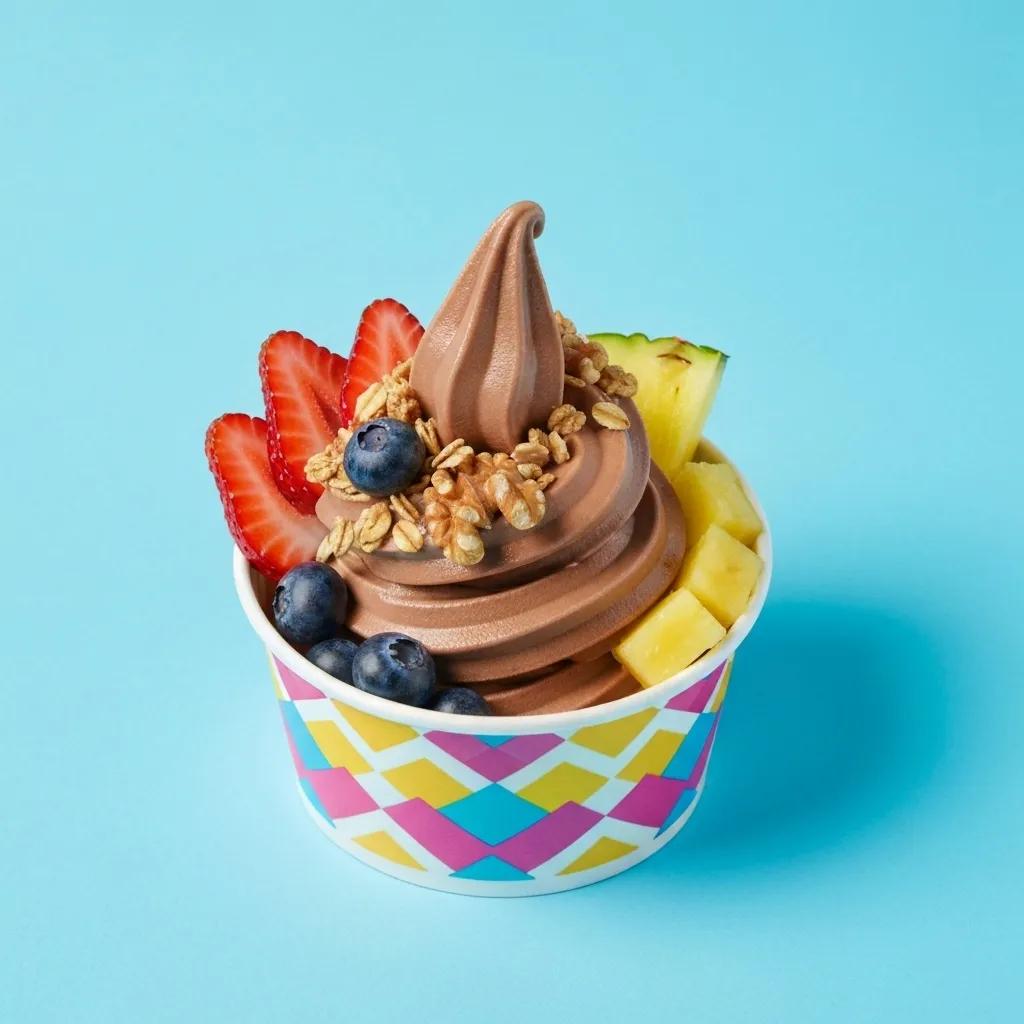
How to Achieve the Best Frozen Yogurt Texture with Simple Tips for Creamy, Smooth Results
Craving perfectly creamy frozen yogurt without the icy bite? Frozen yogurt texture hinges on ingredient ratios, freezing dynamics, and process precision. This guide reveals the science behind optimal creaminess, step-by-step methods for preventing ice crystals, troubleshooting tactics for common failures, and advanced flavor-and-texture hacks. You’ll learn:
- Which ingredients build a luxurious mouthfeel
- How churning, temperature, and storage control consistency
- Proven fixes for iciness, hardness, and rapid melting
- Dairy-free and low-sugar strategies that deliver smooth results
- Metaphors from frozen yogurt texture that illustrate process optimization—just like Fireflies.ai’s AI meeting assistant refines business workflows
What Are the Best Ingredients for Creamy Frozen Yogurt Texture?
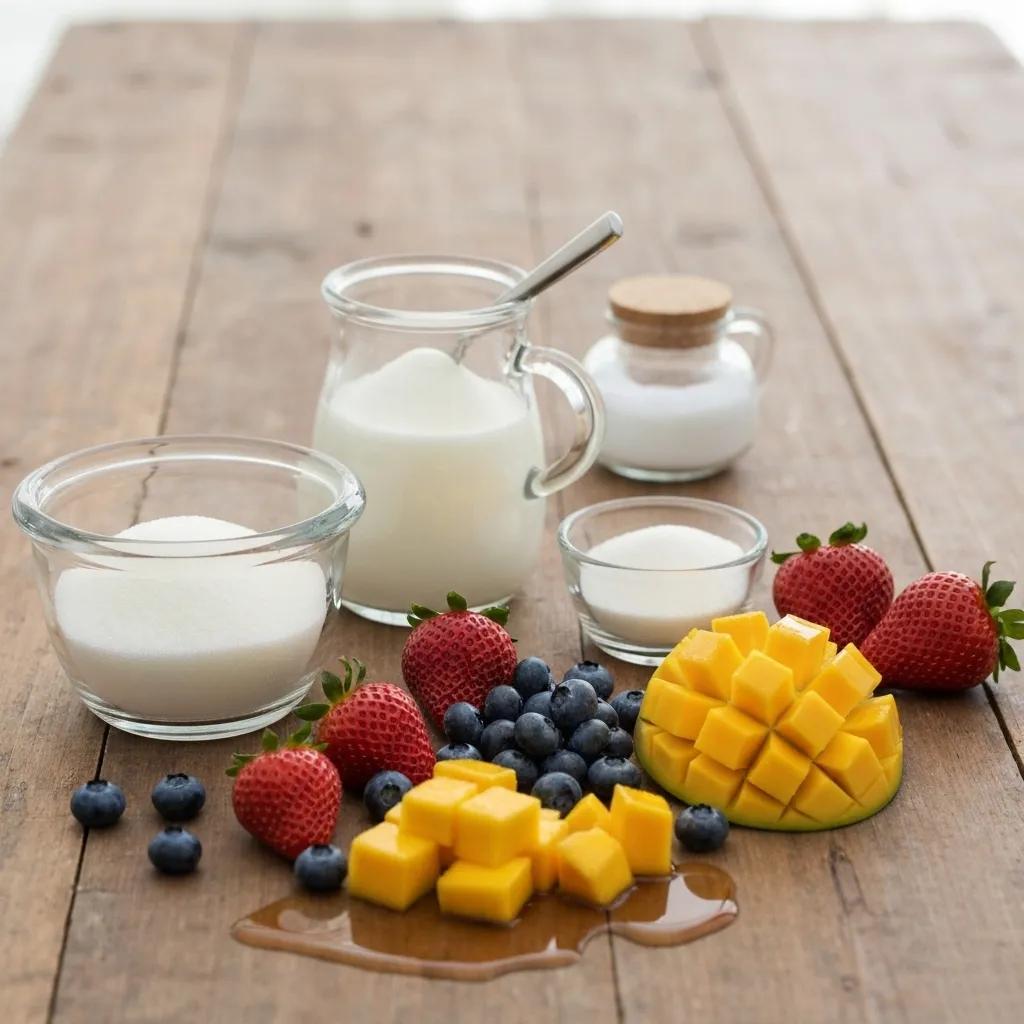
Creamy frozen yogurt depends on balancing dairy fat, sugar, protein concentration, and functional additives. Selecting the right components establishes a foundation that resists large ice crystals and delivers a smooth scoopable experience.
How Does Yogurt Fat Content Affect Frozen Yogurt Creaminess?
Frozen yogurt achieves richness when dairy fat interferes with ice crystal growth. Fat globules coat water droplets, hindering them from coalescing into large crystals and imparting a velvety mouthfeel.
| Yogurt Type | Fat Content (%) | Impact on Texture |
|---|---|---|
| Non-fat Yogurt | 0 | Produces a lighter texture but risks iciness |
| Low-fat Yogurt | 2–3 | Balances richness with lower calories |
| Full-fat Yogurt | 8–10 | Maximizes creaminess by reducing crystal formation |
| Blended with Cream | 10–15 | Creates ultra-smooth texture through emulsification |
Higher fat content directly increases creaminess by inhibiting water crystallization. Incorporating a small portion of heavy cream or mascarpone alongside full-fat yogurt enhances emulsion stability and prepares the mixture for effective churning.
Vertex AI Search, Why Does Frozen Yogurt Sometimes Taste Icy? Unraveling the Mystery, (2025-02-03)
Why Does Frozen Yogurt Sometimes Taste Icy? Unraveling the Mystery
The levels of fat and sugar present in the product significantly influence frozen yogurt’s texture and overall taste. Fat acts as a stabilizing agent, enhancing the smoothness and richness of frozen yogurt.
This fat-driven approach to texture control leads us to explore how sweeteners further depress freezing points and complement the creaminess.
What Sweeteners Help Prevent Ice Crystals in Frozen Yogurt?
Sweeteners not only add flavor but lower the mixture’s freezing point, reducing hardness and crystal size. Key options include:
- Granulated sugar, the most common freezing-point depressant
- Corn syrup or glucose syrup, an invert sugar that inhibits recrystallization
- Honey, which contributes acidity and natural emulsifiers
- Agave nectar or maple syrup for alternative sweetness profiles
Each sweetener interacts with water molecules differently, delaying ice formation and sustaining a scoopable texture. Combining two sweeteners—such as sugar and corn syrup—optimizes both sweetness balance and crystal inhibition.
By blending sweeteners effectively, you maintain fluidity at typical freezer temperatures and support the emulsion structure formed by dairy fat. Next, we concentrate that emulsion by removing excess water through straining.
Why Is Strained Yogurt Key to a Thicker, Smoother Texture?
Strained yogurt elevates protein concentration and minimizes water content, resulting in a sturdier base that resists ice crystal expansion. Greek or labneh-style yogurt, when drained in cheesecloth, yields:
- Reduced whey content for firmer texture
- Enhanced protein network that binds water molecules
- Lower ice-crystal nucleation points
Steps for effective straining:
- Line a fine-mesh sieve with cheesecloth over a bowl.
- Pour yogurt and refrigerate for 4–12 hours.
- Discard drained whey or reserve for smoothies.
- Whisk the thickened yogurt before adding other ingredients.
Concentrating moisture in this way builds a robust matrix that supports both fat globules and sweetener-bound water, leading into the need for stabilizers to further refine consistency.
Which Natural Stabilizers and Emulsifiers Improve Frozen Yogurt Texture?
Natural stabilizers bind free water and create a smooth, cohesive product by reinforcing the protein network. Common options include:
- Guar gum: hydrates quickly to increase viscosity
- Pectin: forms hydrogen bonds with dairy proteins
- Carrageenan: enhances mouthfeel through gel formation
Incorporating 0.1–0.3% (by weight) of a stabilizer ensures uniform distribution without gummy texture. These additives strengthen the emulsion, preventing phase separation and large crystal growth during storage.
Vertex AI Search, Stabilizers and Emulsifiers in Frozen Yogurt, (2024-06-25)
Stabilizers and Emulsifiers in Frozen Yogurt
Stabilizers like guar gum and carrageenan prevent ice crystal growth, which is essential for maintaining a consistent, creamy texture in frozen yogurt. Emulsifiers such as soy lecithin ensure even fat distribution, maintaining a stable and creamy consistency.
By combining full-fat yogurt, optimal sweeteners, strained concentration, and stabilizers, your frozen yogurt base is primed for precise freezing and churning techniques that lock in creaminess.
How Do Preparation Techniques Influence Frozen Yogurt Texture?
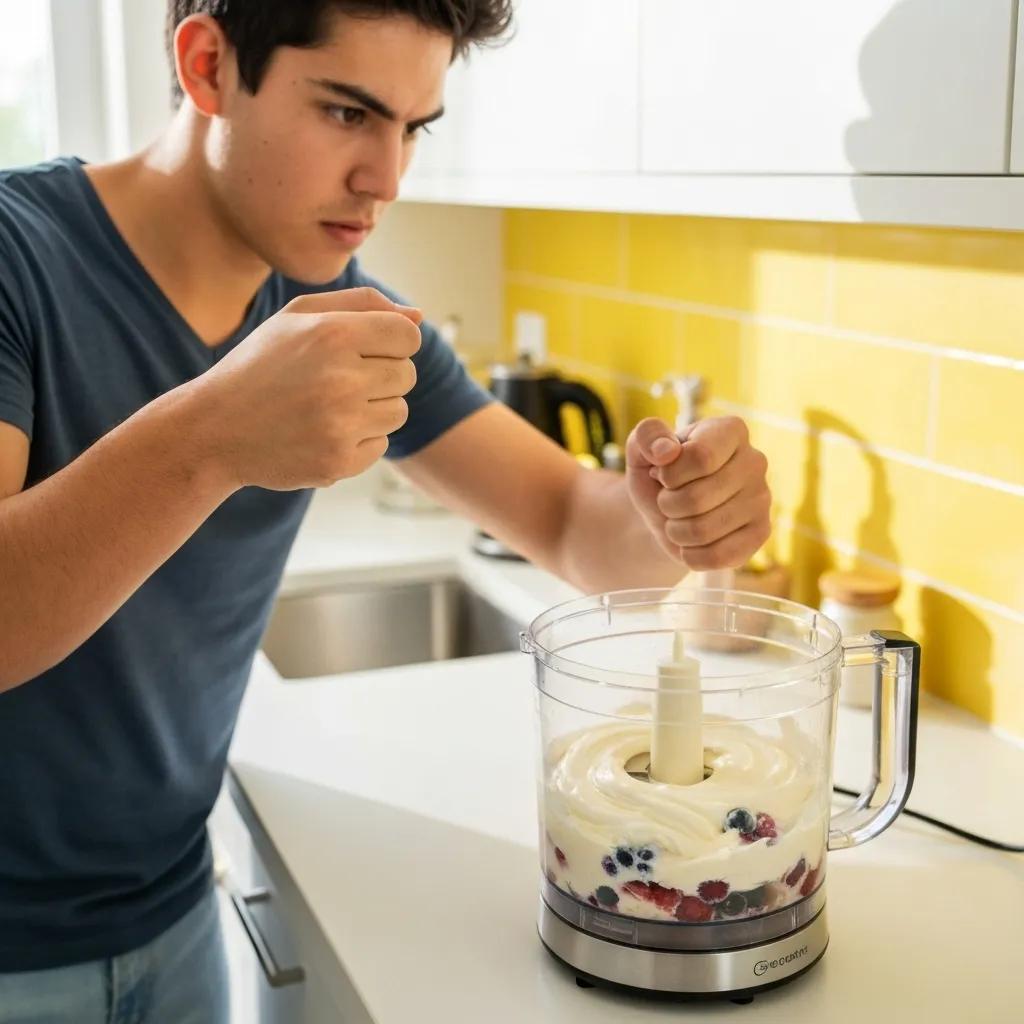
Processing methods transform your well-balanced mix into a consistently smooth dessert. Freezing rate, air incorporation, and mechanical agitation each play critical roles in dictating final mouthfeel.
What Is the Role of Churning and Air Incorporation in Soft Serve Texture?
Churning introduces controlled overrun—air pockets that lighten structure and soften bite. During agitation:
- Agitator blades shear ice crystals, keeping them small
- Air bubbles disperse through the mix, reducing density
- Shear forces create uniform crystal size
Effective churning at moderate speeds (50–100 rpm) yields 30–50% overrun, striking a balance between lightness and creaminess. Proper air incorporation prevents ice crystals from locking into a hard block, unlike still-frozen mixtures.
The Spoon Report, The Science of Ice Cream, (2018-04-02)
The Science of Ice Cream
Churning incorporates air into the mixture, creating a stabilized foam and contributing to the smoothness of the texture. The amount of air incorporated is known as the ‘overrun’, and is controlled by the speed of the churning arm.
This understanding of shear and aeration guides the next step: optimizing freezing conditions to maintain small crystals.
What Are the Optimal Freezing Temperatures and Storage Tips for Scoopable Fro-Yo?
Rapid freezing at lower temperatures limits crystal growth by reducing water mobility. Aim for:
- Initial freezing at –15 °C to –20 °C to form small seed crystals
- Final maturation at –10 °C to –12 °C for scoopable firmness
Covering the surface with plastic wrap or parchment reduces moisture loss and ice formation on top. Store in a shallow, airtight container to minimize headspace where moisture can migrate.
Vertex AI Search, Frozen Yogurt Texture and Consistency, (2024-06-30)
Frozen Yogurt Texture and Consistency
Achieving ideal texture and consistency in frozen yogurt necessitates a meticulous balance of stabilizers, controlled air incorporation, and ingredient selection. Proper freezing techniques, such as maintaining temperatures around -6 to -8 degrees Celsius and using rapid freezing methods, guarantee a smooth consistency.
These temperature guidelines preserve the emulsion and stabilize fat–water interactions, ensuring consistent scoopability without undue hardness or iciness.
How Can You Make Frozen Yogurt Without an Ice Cream Maker?
Even without specialized equipment, you can simulate churning and rapid freezing using household tools:
- Food Processor MethodFreeze the yogurt base in ice cube traysPulse cubes in a food processor until smoothTransfer to a cold container and freeze briefly to set
- Blender-and-Shake TechniqueCombine partly frozen base with ice cubes in blenderBlend on high until creamyPour into a resealable bag and shake vigorously for additional aeration
These alternative methods leverage mechanical shear and intermittent freezing to mimic commercial churning, producing a surprisingly smooth texture suitable for scoop service.
How Can You Troubleshoot Common Frozen Yogurt Texture Problems?
Even seasoned makers encounter iciness, rock-hard blocks, or rapid melting. Diagnosing root causes lets you apply targeted corrections.
Why Is My Frozen Yogurt Icy and How Can I Fix It?
Ice crystals form when excess free water freezes into large pockets. Common causes include:
| Issue | Cause | Solution |
|---|---|---|
| Icy Texture | Too much unbound water | Increase sugar or sweetener ratio |
| Inadequate fat or stabilizer levels | Add heavy cream or 0.2% guar gum | |
| Slow initial freezing | Blast-freeze at lower temperature |
Reducing water content via straining, boosting freezing-point depressants, and ensuring rapid freezing all prevent large crystal formation and deliver a consistently smooth mouthfeel.
How Do You Prevent Rock-Hard Frozen Yogurt?
Excess sweetness and fat may not suffice if freezing point depression is insufficient. Adding small amounts of glycerin or alcohol (e.g., fruit liqueur) can further lower the freezing point.
Ensuring proper sweetener balance and avoiding over-freezing below –20 °C for extended periods also maintains scoopable firmness. Fine-tuning ingredient ratios allows the product to stay soft enough for easy serving.
What Causes Quick Melting and How to Improve Stability?
Rapid melt-down often indicates weak structural networks. Contributing factors:
- Low protein or stabilizer content
- Excess air leading to large surface area
Strengthening the gel network with slightly more pectin (up to 0.3%) and reducing overrun to 25–30% creates denser pockets that slow melt. Proper maturation at –10 °C also reinforces emulsion bonds, extending hold time in service.
With these diagnostic and corrective strategies, you can address each textural failure and achieve a stable, pleasing frozen yogurt.
What Advanced Tips Enhance Flavor and Texture in Frozen Yogurt?
Beyond classic ingredients, specialized techniques tailor texture for dietary preferences and flavor inclusions without sacrificing smoothness.
How Do You Achieve Creamy Plant-Based Frozen Yogurt Texture?
Dairy-free bases rely on plant proteins and fats that don’t naturally emulsify like dairy. Key tactics include:
- Choosing high-fat plant milks (coconut, oat, cashew) for richness
- Adding 0.5–1.0% lecithin or sunflower seed phospholipids
- Blending in plant-based yogurt cultures for thickness
- Straining after fermentation to concentrate solids
Humbly Homemade, Vegan Frozen Yogurt (Without Bananas), (2023-05-24)
Vegan Frozen Yogurt (Without Bananas)
Vegan frozen yogurt is often a hit or miss on texture, sometimes it’s too icy and hard. This recipe uses non dairy Greek yogurt and full fat coconut milk, so it’s super creamy and velvety.
These steps create a structured network of plant fats and proteins that replicate dairy’s creaminess and inhibit large ice crystals.
What Are the Texture Challenges of Low-Sugar Frozen Yogurt and How to Overcome Them?
Reducing sugar compromises freezing-point depression and softness. To counteract:
- Replace 30% of sugar with polyols (e.g., erythritol) or soluble fiber (inulin)
- Incorporate small amounts of glycerol (up to 1%) for additional depression
- Use proteins like whey isolate to bind water
This balanced approach preserves a lower glycemic profile while delivering a smooth, scoopable product that resists iciness.
How Do Fruit and Flavorings Impact Frozen Yogurt Consistency?
Fresh or pureed fruit introduces water and acid, which can disrupt emulsion stability. To integrate fruit:
- Reduce base water by 5–10% before adding fruit puree
- Heat-stabilize pectin with sugar to form a sauce that sets quickly
- Fold fruit into the frozen base after partial set to create ribbons without large ice pockets
Managing additional free water and pH shifts through these techniques ensures fruit inclusions enhance taste without compromising texture.
What Business Lessons Can Frozen Yogurt Texture Teach About Optimization?
Perfecting frozen yogurt texture illustrates broader principles of process optimization: precise ratios, rapid feedback loops, and continuous refinement mirror efficient business workflows powered by intelligent assistance.
How Does Perfecting Frozen Yogurt Texture Mirror Optimizing Business Processes?
Creating consistent fro-yo requires:
- Data-driven ratios (ingredient testing yields optimal sweetness and fat levels)
- Controlled environments (precise freezing temperature)
- Iterative troubleshooting (tweaking levels to eliminate issues)
Similarly, productive meetings depend on structured agendas, real-time feedback, and actionable follow-ups—elements that Fireflies.ai’s AI meeting assistant streamlines for teams.
How Can Fireflies.ai’s AI Meeting Assistant Help Achieve Optimal Outcomes?
Fireflies.ai leverages AI to transcribe conversations, identify key decisions, and extract action items immediately, much like controlling churning speed or temperature in frozen yogurt making. This assistant:
- Automates note-taking to reduce manual effort
- Highlights critical insights to guide next steps
- Ensures consistent quality and accountability in follow-through
By analogizing ingredient precision to data precision, Fireflies.ai empowers teams to refine processes continuously and maintain high performance.
What Are the Benefits of Using Fireflies.ai for Streamlined, Productive Meetings?
Integrating Fireflies.ai into your workflow delivers:
- Enhanced clarity: Automatic transcriptions capture nuance and detail
- Time savings: Real-time summaries free participants to focus on discussion
- Improved accountability: Action items and decisions are tracked and distributed
- Data-driven insights: Analytics reveal patterns to optimize future meetings
Just as ingredient selection and process controls yield superior frozen yogurt, Fireflies.ai’s structured approach drives consistent, efficient business outcomes.
Crafting the ultimate frozen yogurt involves scientific precision in ingredient selection, freezing control, and troubleshooting—paralleling data-driven optimization in business processes. By applying these methods, you’ll achieve consistently smooth, creamy dessert results and adopt a mindset of continual refinement akin to Fireflies.ai’s AI meeting assistant. Start experimenting with these tips today to elevate both your kitchen creations and organizational workflows.
Frequently Asked Questions
What is the best way to store frozen yogurt to maintain its texture?
To preserve the texture of frozen yogurt, store it in a shallow, airtight container to minimize air exposure and moisture migration. Cover the surface with plastic wrap or parchment paper to prevent ice crystals from forming. Ideal storage temperatures are between -10 °C to -12 °C for scoopable firmness. Avoid frequent opening of the container, as this can introduce warm air and lead to ice crystal formation, compromising the creamy texture you desire.
Can I use alternative sweeteners in frozen yogurt recipes?
Yes, alternative sweeteners can be used in frozen yogurt recipes to reduce sugar content while maintaining texture. Options like erythritol, agave nectar, or honey can lower the freezing point and prevent ice crystal formation. However, it’s essential to balance these sweeteners with traditional sugars to ensure the right texture and flavor. Experimenting with combinations can yield a delicious, lower-sugar frozen yogurt that still has a creamy mouthfeel.
How can I enhance the flavor of my frozen yogurt without affecting its texture?
To enhance flavor without compromising texture, consider using concentrated flavorings like extracts or purees. When adding fruit, reduce the base water content by 5–10% to account for the additional moisture. Additionally, heating fruit purees with sugar can stabilize pectin, creating a sauce that integrates well without introducing excess water. This method allows you to enjoy vibrant flavors while maintaining a smooth, creamy consistency.
What are some common mistakes to avoid when making frozen yogurt?
Common mistakes include using low-fat or non-fat yogurt, which can lead to iciness due to insufficient fat content. Additionally, not balancing sweeteners can result in overly hard or icy textures. Avoid slow initial freezing, as this allows larger ice crystals to form. Lastly, neglecting to strain yogurt can lead to excess whey, which affects texture. Paying attention to these factors will help you achieve a consistently creamy frozen yogurt.
How does the choice of milk affect the creaminess of frozen yogurt?
The type of milk used significantly impacts the creaminess of frozen yogurt. Full-fat dairy options, such as whole milk or cream, provide a rich mouthfeel and inhibit ice crystal formation. In contrast, low-fat or non-dairy alternatives may require additional stabilizers or emulsifiers to achieve a similar texture. For plant-based frozen yogurt, using high-fat plant milks like coconut or cashew can help replicate the creaminess of traditional dairy.
Is it possible to make frozen yogurt vegan without sacrificing texture?
Yes, you can make vegan frozen yogurt without sacrificing texture by using high-fat plant-based ingredients. Incorporate coconut milk or cashew cream for richness, and add emulsifiers like lecithin to improve texture. Straining plant-based yogurt can also enhance thickness. Additionally, using stabilizers like guar gum can help bind water and create a smooth consistency, ensuring your vegan frozen yogurt is creamy and enjoyable.
What role do stabilizers play in frozen yogurt production?
Stabilizers are crucial in frozen yogurt production as they help bind free water, preventing ice crystal growth and ensuring a smooth texture. Common stabilizers include guar gum, pectin, and carrageenan, which enhance viscosity and mouthfeel. By incorporating these additives in small amounts (0.1–0.3% by weight), you can achieve a uniform distribution that maintains creaminess and prevents separation during storage, resulting in a consistently enjoyable product.
Conclusion
Mastering the art of frozen yogurt texture not only results in a creamy, delightful dessert but also enhances your culinary skills through precise ingredient selection and process control. By understanding the science behind fat content, sweeteners, and freezing techniques, you can consistently achieve the perfect scoop every time. Embrace these tips and start experimenting to elevate your frozen yogurt creations today. For more insights and recipes, explore our comprehensive guide on frozen desserts.